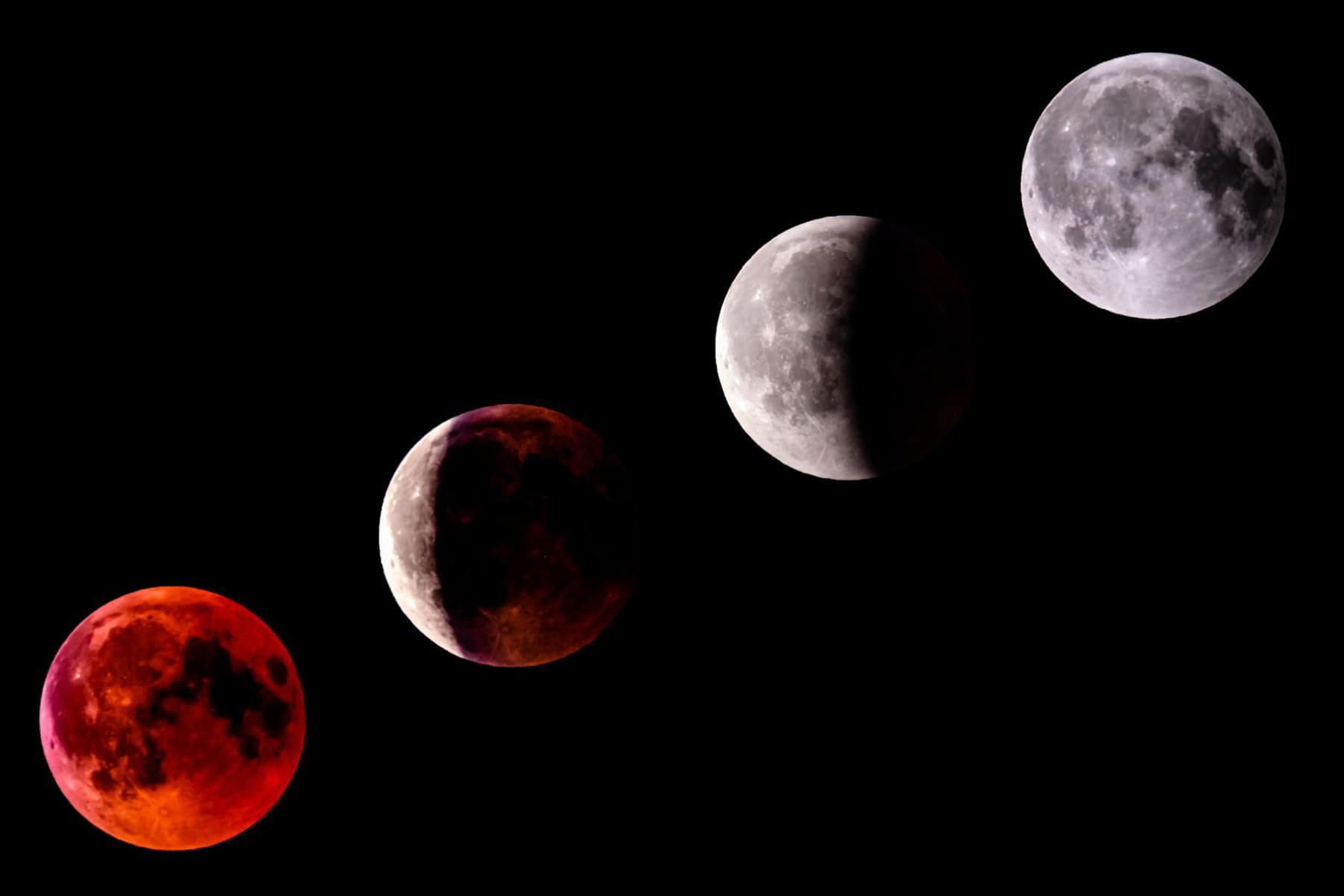
This March, 2026, we’ll get a chance to witness a total lunar eclipse and a Blood Moon in Charlotte, for the first time since last year.
A total lunar eclipse happens at full moon when the earth, moon, and sun line up exactly, so the earth blocks light from the sun. The moon appears darkened as it passes through the shadow of the earth.
The total lunar eclipse will begin in the wee hours of the morning on Tuesday, March 3, 2026 and will conclude around 7 a.m. The maximum eclipse will occur around 6:30 a.m.
Keep your fingers crossed for clear conditions that will let us enjoy stargazing (well, moon-gazing) on the morning of the total lunar eclipse in Charlotte!
Your next chance for a Total Lunar Eclipse is the morning of Tuesday, March 3. (After that there won’t be another Total Lunar Eclipse viewable from Charlotte until 2029, but there will be an almost-total one August 28 of this year.)
When will the lunar eclipse take place?
It takes place during the early morning hours of Tuesday, March 3, 2026. The lunar eclipse happens in phases and takes awhile to reach totality, so this celestial event happens over several hours.
The totality phase itself lasts 65 minutes, and this is when the moon takes on the eerie blood red color. If you’re going to set an alarm to watch just part of the eclipse, this is the part you want to aim for.
Here’s what you can expect, and when, as noted by TimeAndDate.com:
- 4:50 a.m. — partial eclipse begins (the moon enters Earth’s shadow and begins to darken)
- 6:04 a.m. — total eclipse begins (entire moon is in shadow and begins to turn red)
- 6:33 a.m. — MAXIMUM ECLIPSE (full blood-red color peaks, then begins to reverse)
- 6:52 a.m. — Moonset. Setting, but the combination of a very low moon and the total eclipse phase makes the Moon so dim before it sets, that it might disappear from view some time before it sets.
- 7:02 a.m. — total eclipse ends (the moon exits the Earth’s shadow)
What does the lunar eclipse look like?
As the moon passes through the shadow of the earth, it will turn red. As this happens, you’ll see that the earth’s shadow is curved. When the eclipse is total, it will look like a dark red hole in the sky.
Is it hard to see the lunar eclipse?
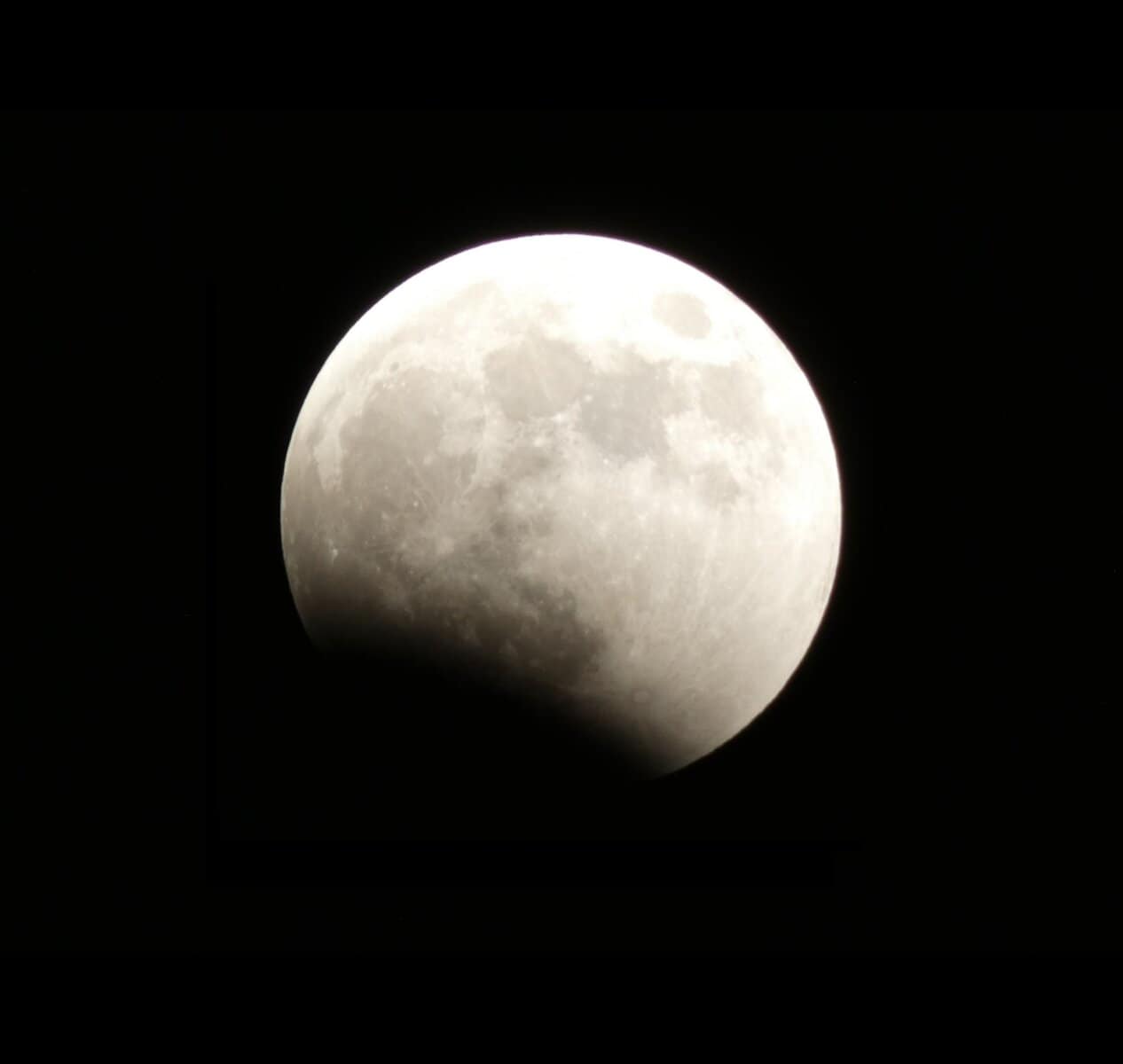
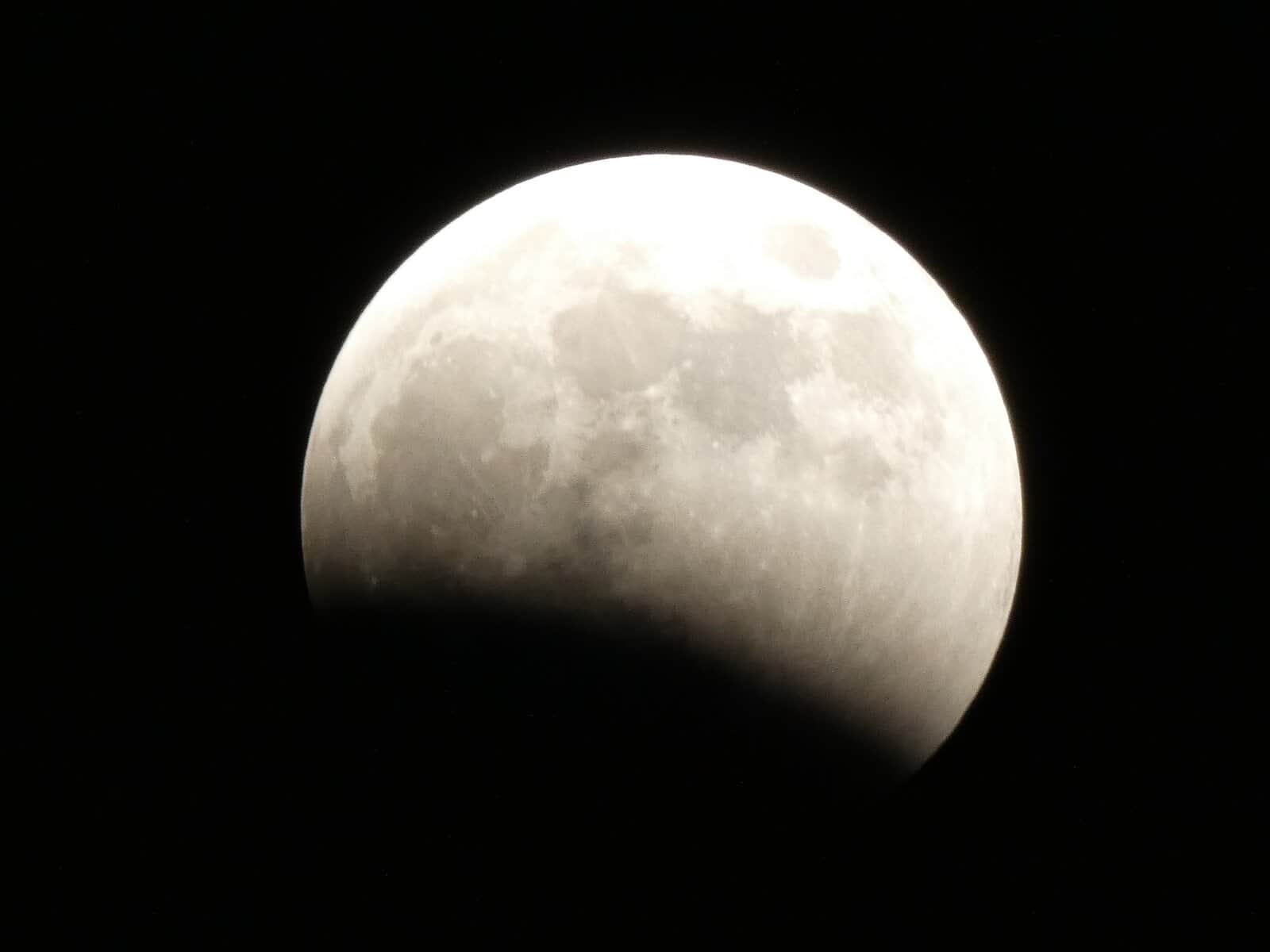
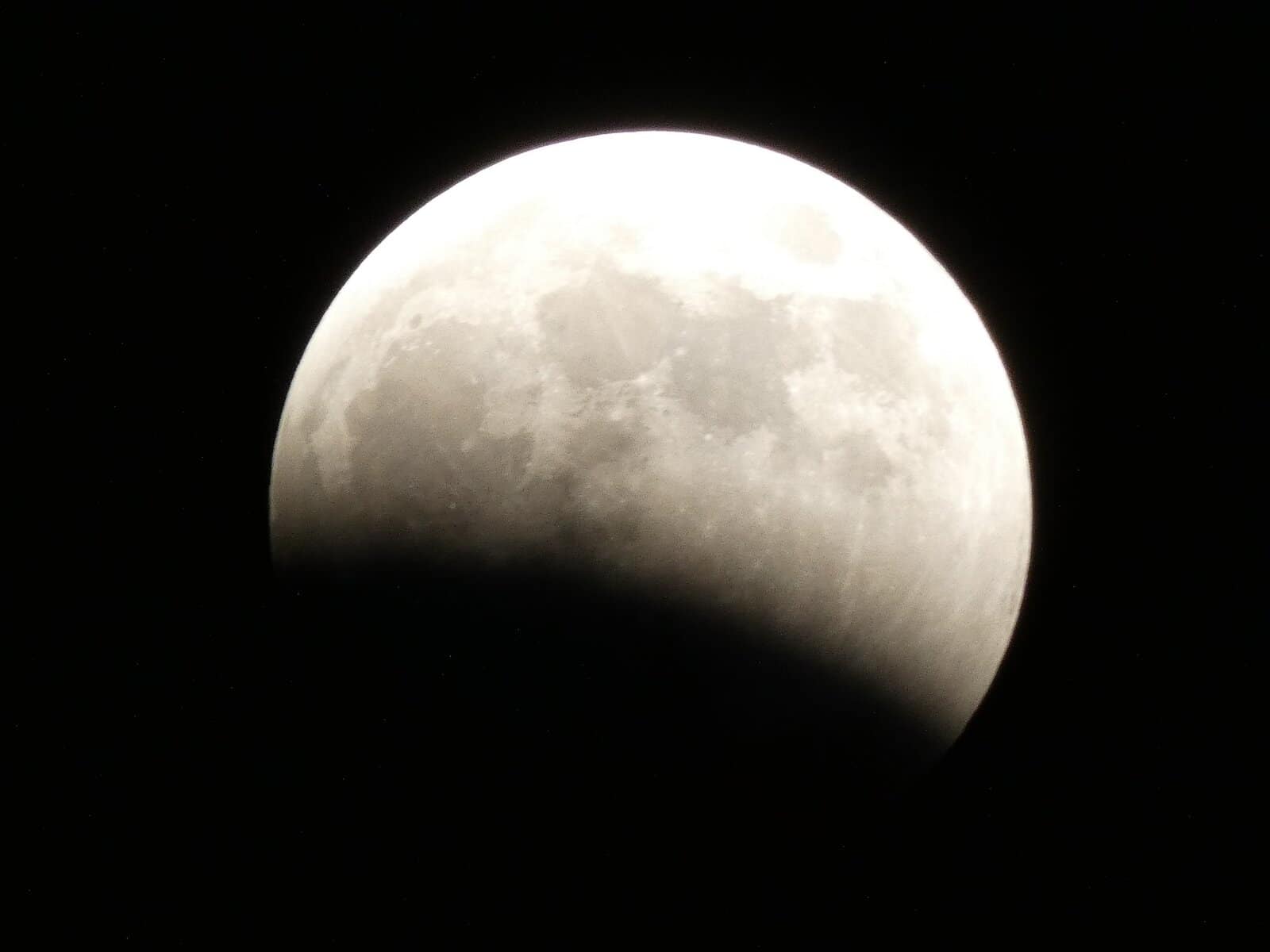
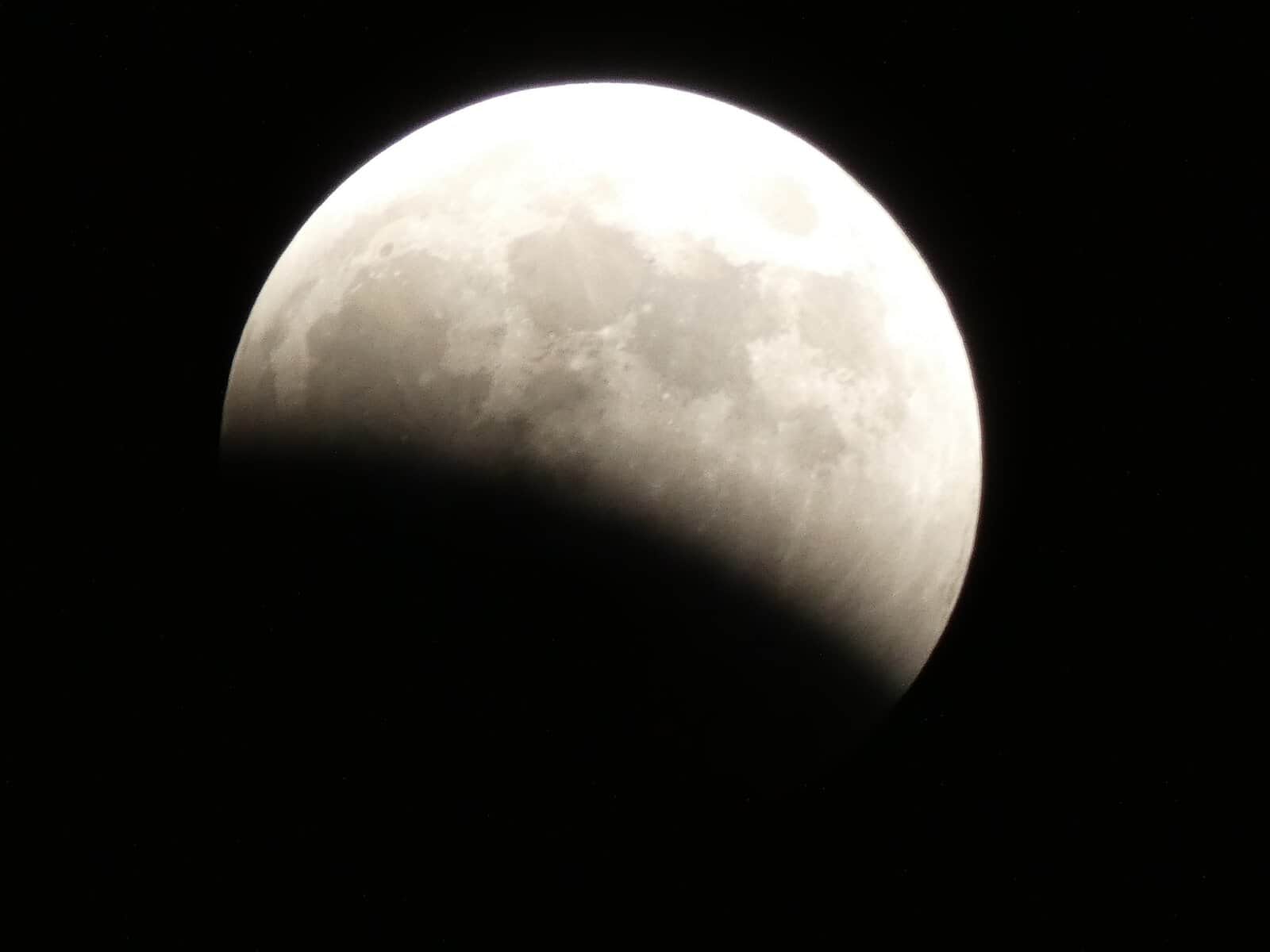
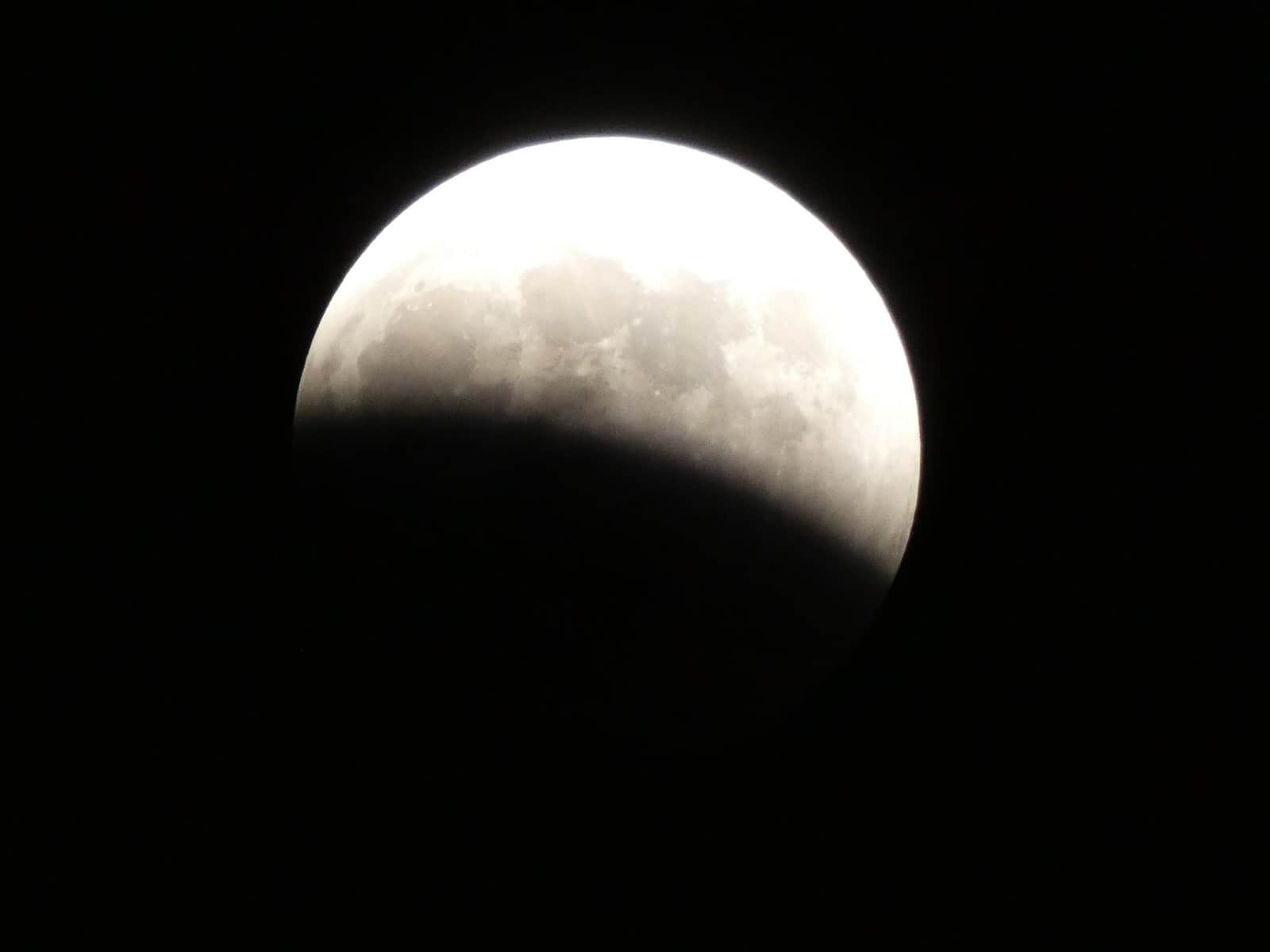
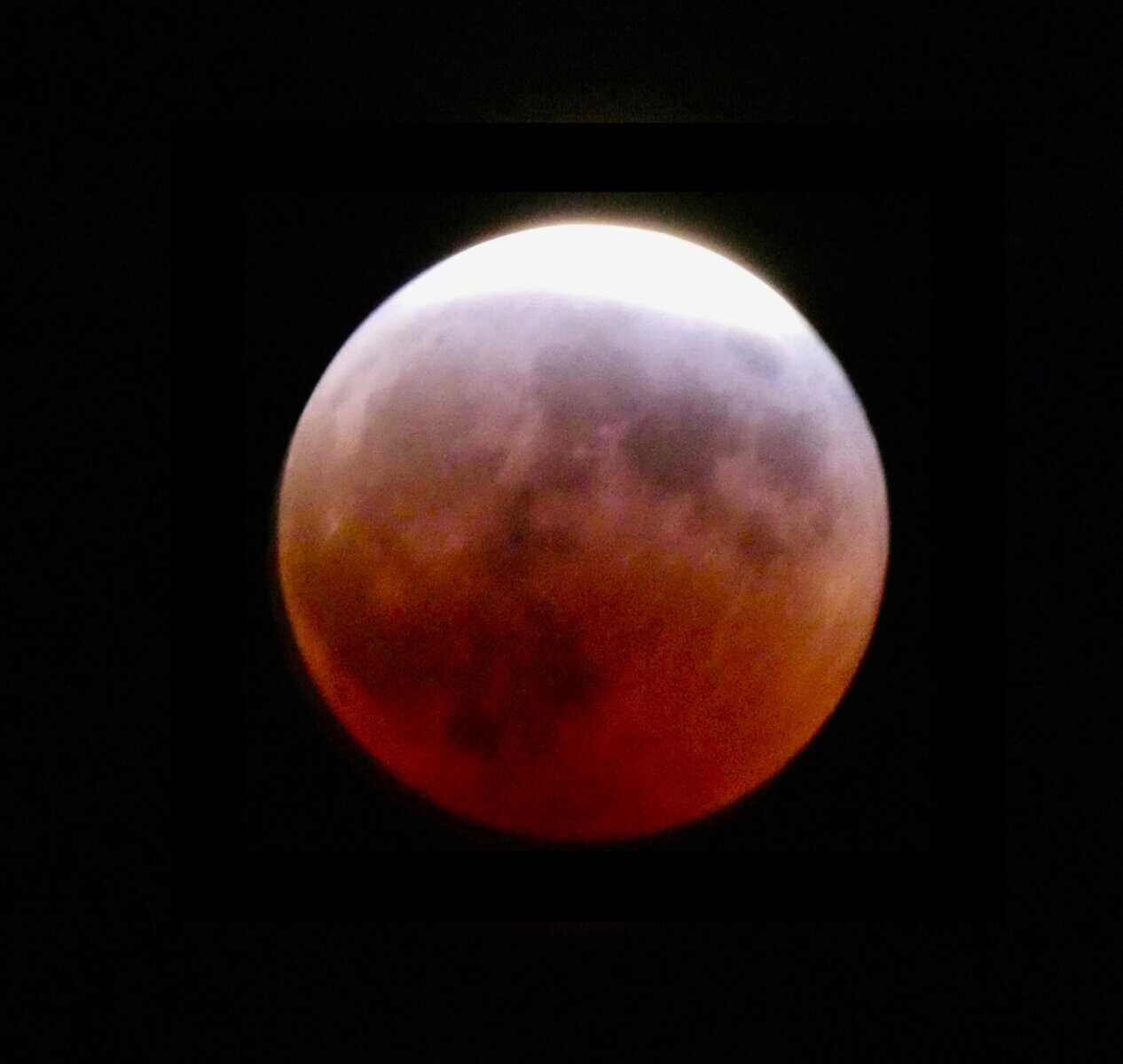
It’s easy! You don’t need totally clear skies, but if it’s extremely cloudy you might have trouble. I took the above photos with a Digital SLR camera during the previous lunar eclipse in March of 2025.
You don’t need a telescope, although it can be fun to get a close-up look through a telescope or binoculars. And you don’t need special viewing glasses, like you would for a solar eclipse, because there’s no danger in looking directly at the moon at any phase.
Look west!
Lunar Eclipse Live Streams
Watch the eclipse from the comfort of your own bed!
TimeAndDate.com
Watch from their website or from their YouTube channel.
Why is called the Worm Blood Moon?
Blood moon: Because the moon appears red during a lunar eclipse it’s called a “blood moon.”
Worm moon: March’s full moon is always referred to as the worm moon, because it’s when earthworms appear.
What are the other months’ full moons called?
Each month’s full moon has a nickname. This nickname has nothing to do with the moon’s appearance. It’s about what’s happening here on Earth.
January: Wolf Moon (Because wolves howl a lot during this time. Also called the Cold Moon and Spirit Moon.)
February: Snow Moon (Because it snows a lot in February. Also called the Hunger Moon.)
March: Worm Moon (Because earthworms appear. Also called the Sap Moon.)
April: Pink Moon (Because phlox, one of the first spring flowers, appear. Also called the Sprouting Grass Moon, Egg Moon and Fish Moon.)
May: Flower Moon (Because of the abundance of flowers. Also called the Corn Planting Moon and the Milk Moon.)
June: Strawberry Moon (Because of strawberries. Also called the Rose Moon and the Hot Moon.)
July: Buck Moon (Because bucks’ antlers are in full growth mode. Also called the Thunder Moon.)
August: Sturgeon Moon (Sturgeons are most easily caught this month. Also called the Green Corn Moon.)
September: Corn Moon (Corn harvesting time. Also called the Barley Moon.)
October: Hunter’s Moon (Good time for hunting. Also called the Travel Moon and the Dying Moon.)
November: Beaver Moon (For colonists and indigenous tribes it was time to set beaver traps. Also called the Frost Moon.)
December: Cold Moon (Because it’s cold. Also called the Long Nights Moon.)
Double-Check Before You Head Out!
We make every effort to make sure that everything on Charlotte on the Cheap is 100% accurate.
However, sometimes things change without notice, and we are not always notified. It’s also possible that we can make a mistake.
Please verify all deals and events with the venue or organizer before you go.
You might also be interested in:
- Subscribing to Charlotte on the Cheap’s email list
- Best skyline views in Charlotte for photos
- Best food and drink deals in Charlotte
- 50+ walks and hikes in and near Charlotte
- Free and cheap things to do this week
- Charlotte Hotel Deals
- Charlotte on the Cheap events calendar
- Charlotte area farmers markets
Upcoming Events in the Charlotte area
Check out our full events calendar, where you can enter any date, or look at the events for the next few days here:Various locations